
 English
  русский
  Español
  عربى
عربى 

Product Category
News Categories
Contact Us
Axial or Centrifugal Fan: Which Is Better for Your System
Content
- 1 Axial Fans vs Centrifugal Fans: Complete Engineering Guide for Airflow System Design
- 2 Fundamental Working Principles: Axial vs Centrifugal
- 3 Performance Parameter Comparison
- 4 What Is the Typical CFM of an Axial Fan?
- 5 Noise Characteristics: Are Axial Fans Noisy?
- 6 Three Main Types of Axial Flow Fans
- 7 What Is a Centrifugal Fan Used For?
- 8 Key Differences: Axial vs Ventilation Fan, Radial Fan, and Tubeaxial Fan
- 9 Is an Axial or Centrifugal Fan Better?
- 10 What Is an Advantage of Using an Axial Fan?
- 11 Product Spotlight: Axial and Centrifugal Fans from Our Manufacturing Facility
- 12 Application Case Studies
- 13 Performance Curves and Selection Charts
- 14 Installation and Maintenance Best Practices
- 15 Frequently Asked Questions
- 16 Understanding the Difference Between Axial and Radial Fans in Practice
- 17 Advanced Topics: Blade Design and Aerodynamics
- 18 Materials and Coatings for Harsh Environments
- 19 Testing and Quality Assurance
- 20 How to Request a Quote or Technical Consultation
- 21 Exploring the Full Range of Air Movement Solutions
Axial Fans vs Centrifugal Fans: Complete Engineering Guide for Airflow System Design
Selecting the right air moving device is one of the most consequential decisions in thermal management, industrial ventilation, and HVAC system design. Two dominant technologies—axial fan and centrifugal fan—serve vastly different operating conditions. Misunderstanding their core principles often leads to oversized equipment, excessive energy consumption, or inadequate cooling. This guide provides a detailed technical comparison, practical selection criteria, and product insights from a manufacturing perspective.
Whether you are an engineer specifying a cooling solution for a data center, a facility manager upgrading a dust collection system, or a product designer integrating compact thermal management, the information below will help you make an informed decision. We will explore how does an axial fan work, how does an axial fan work physics, typical performance ranges, noise behavior, and the subtle differences between axial, tubeaxial, and radial designs.
Fundamental Working Principles: Axial vs Centrifugal
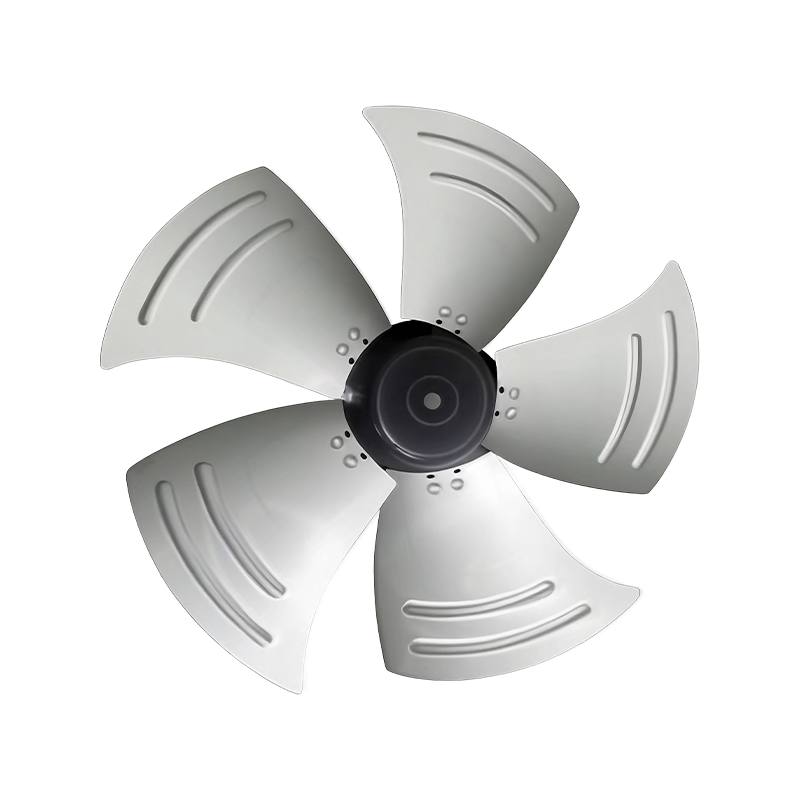
An axial fan moves air parallel to the rotating shaft. Blades act like a propeller, creating a pressure differential that pushes air along the axis. The physics behind how does an axial fan work physics involves aerodynamic lift: as the blade rotates, its angle of attack generates a force with a large axial component. Air enters axially and exits axially, with a slight swirl that can be reduced by guide vanes. The volume flow rate is high, but the static pressure rise is limited. This makes axial fans ideal for moving large quantities of air against low system resistance.
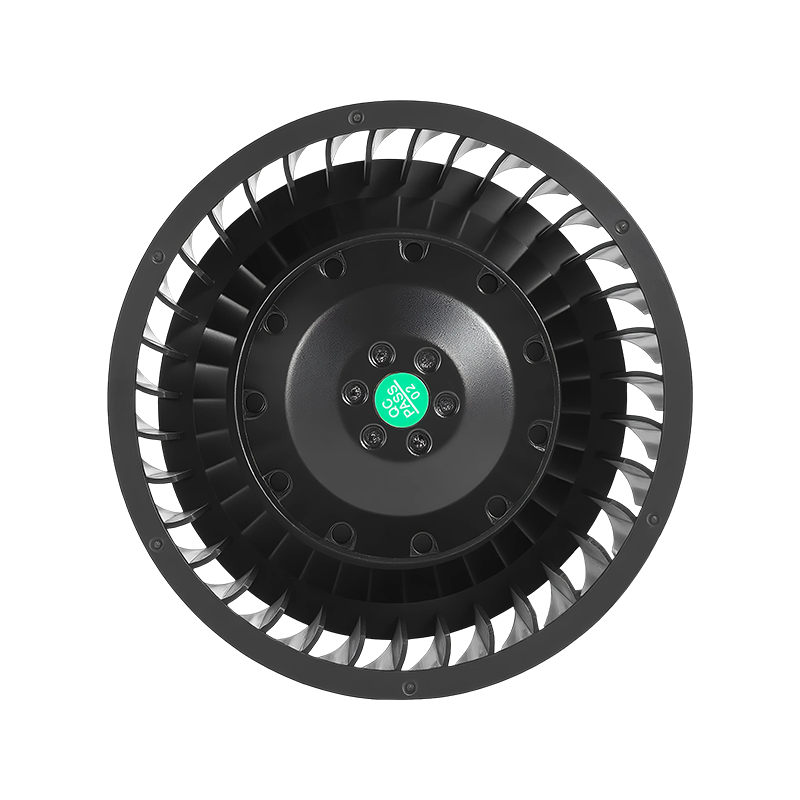
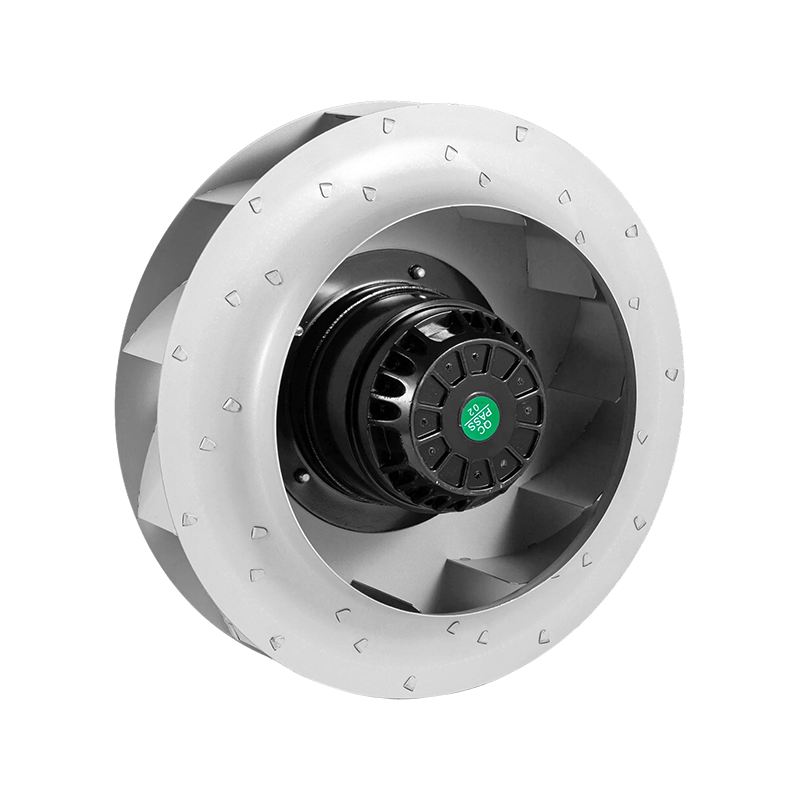
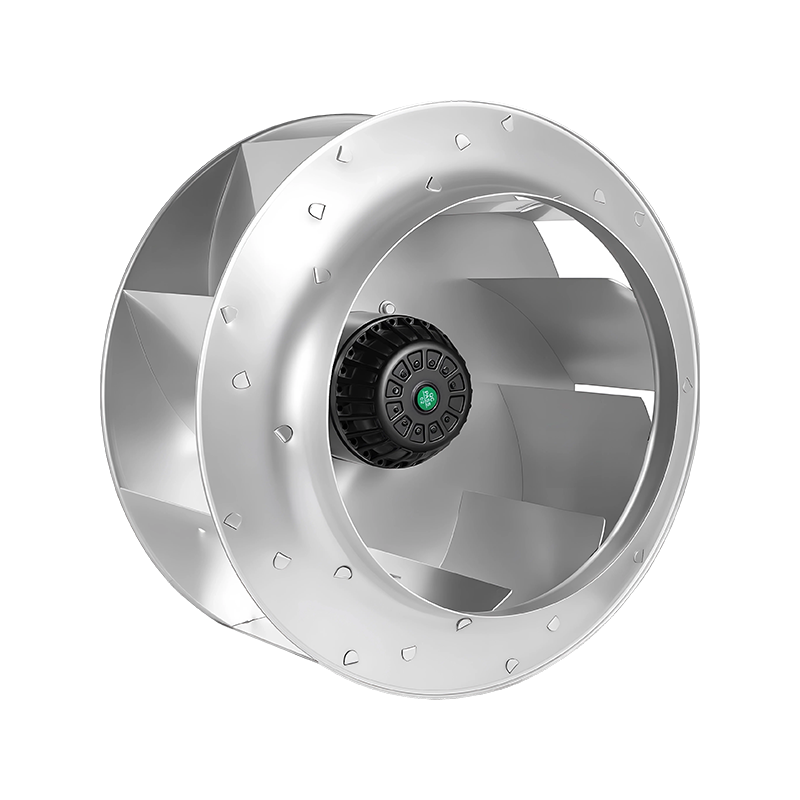
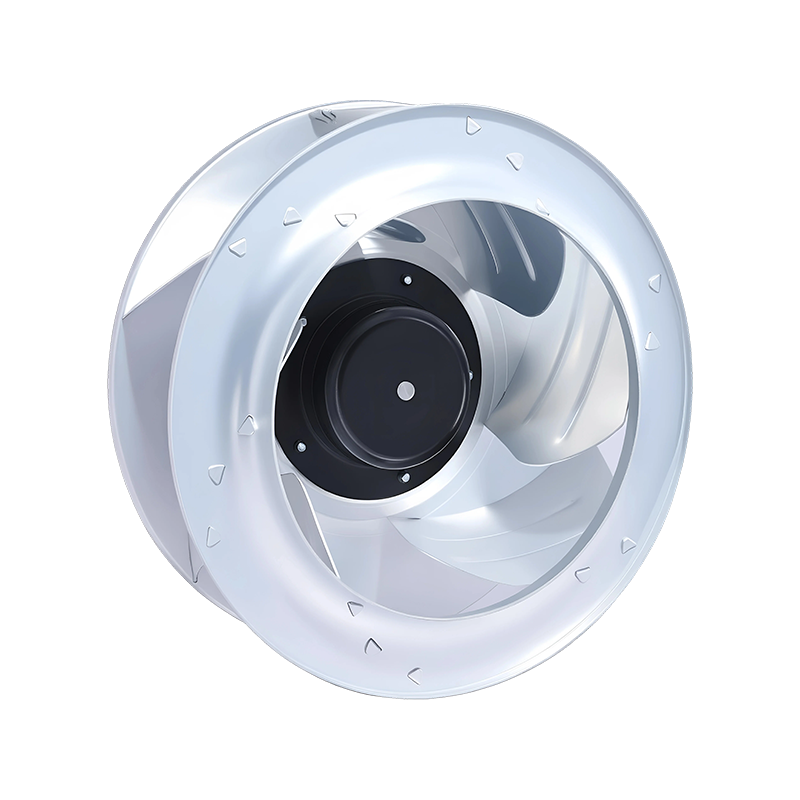
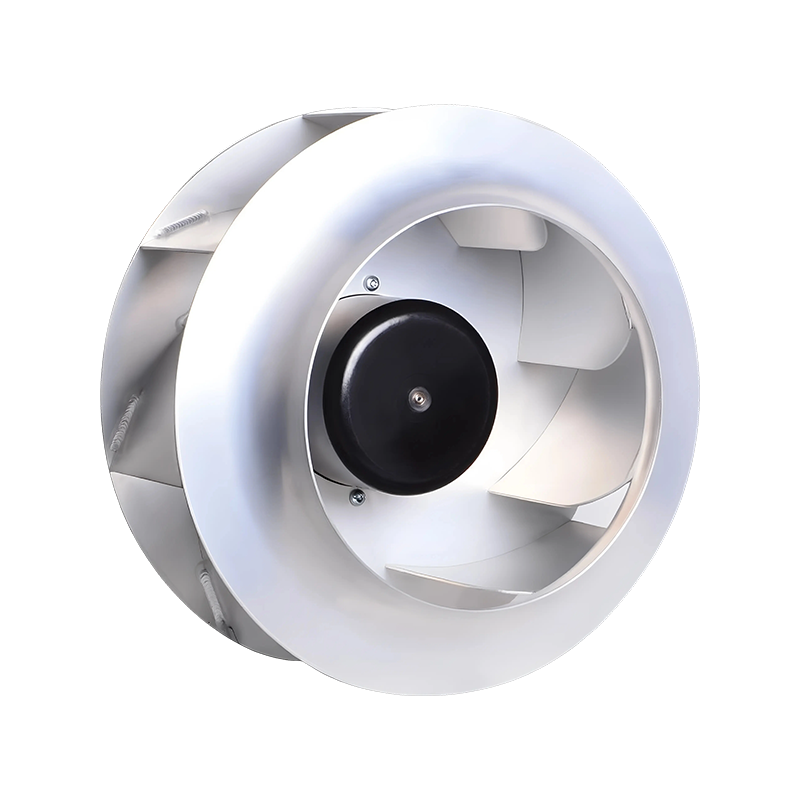
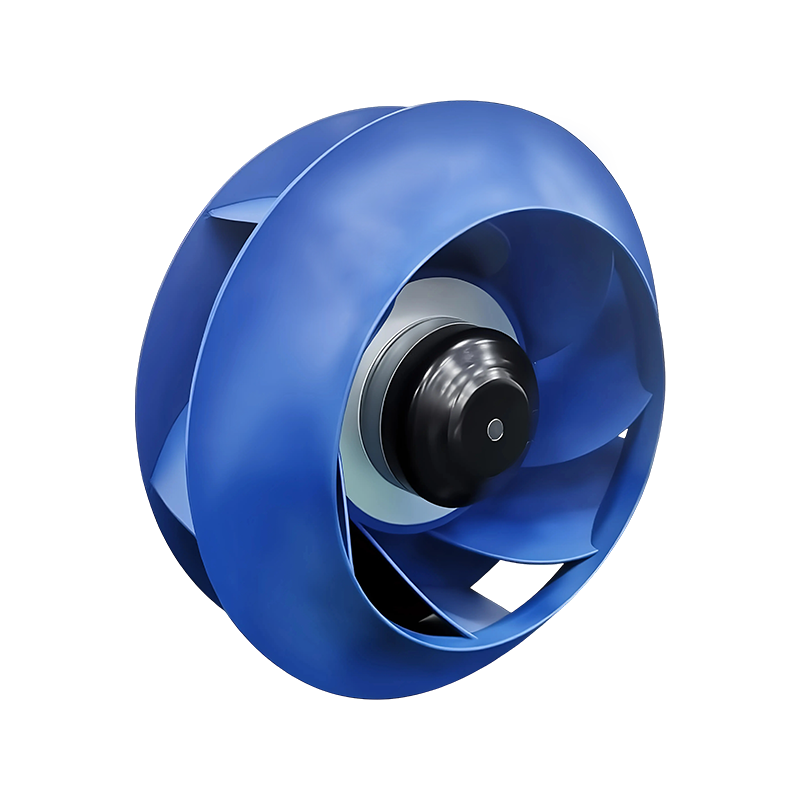
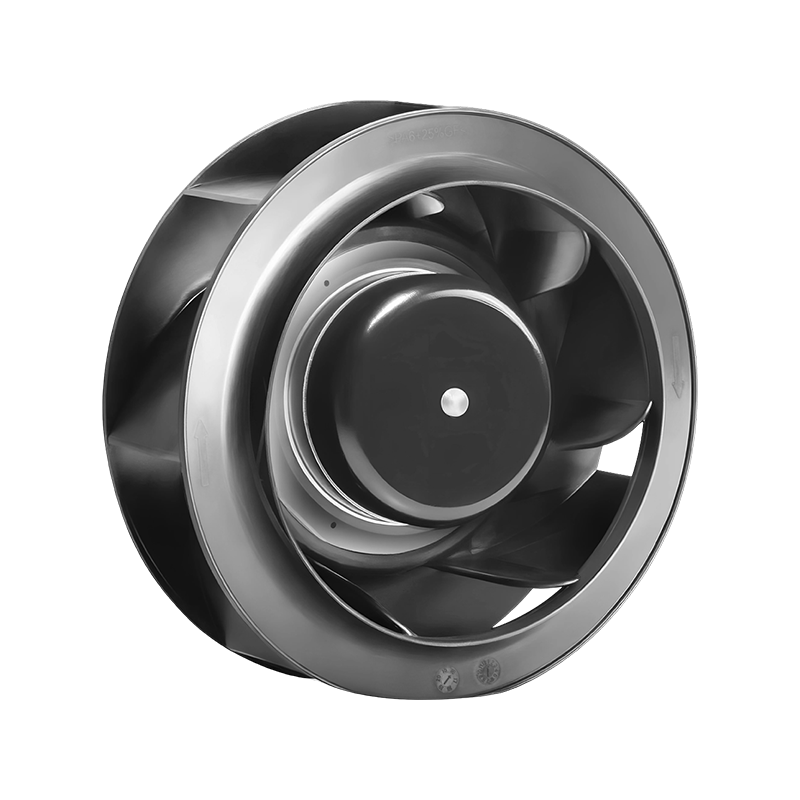
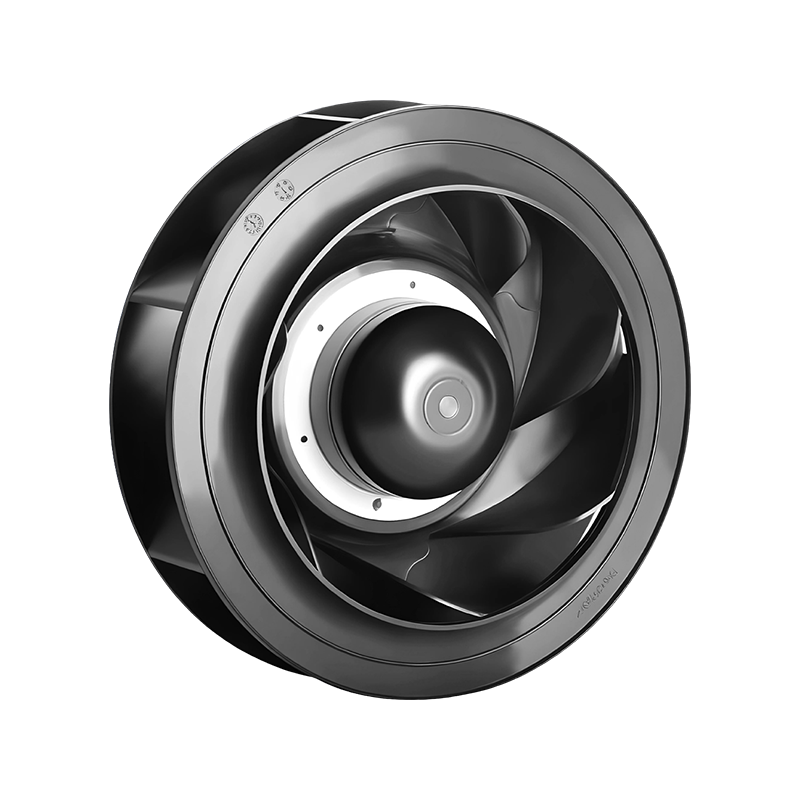
A centrifugal fan draws air axially into the eye of an impeller, then accelerates it radially outward by centrifugal force. The air is discharged at 90 degrees to the inlet, typically into a scroll-shaped housing that converts velocity pressure into static pressure. This design excels at overcoming high resistance from ducts, filters, and heat exchangers. The trade-off is lower flow rate for a given size and higher noise levels compared to axial fans in free-air conditions.
Axial Fan
Airflow parallel to shaft. High flow, low pressure. Compact and efficient in open systems.
Centrifugal Fan
Airflow turns 90 degrees. High pressure, moderate flow. Suitable for ducted systems.
Performance Parameter Comparison
The table below summarizes key differences. Note that values are typical ranges and vary with size, speed, and blade design.
| Parameter | Axial Fan | Centrifugal Fan |
| Airflow direction | Parallel to axis | Radial (90° turn) |
| Typical static pressure | 0 – 5 in. wg (0 – 1250 Pa) | 0 – 10 in. wg (0 – 2500 Pa) |
| Flow rate range | Up to 62,000 CFM (large industrial) | Up to 40,000 CFM (large industrial) |
| Efficiency at free air | High | Moderate |
| Efficiency at high resistance | Low | High |
| Noise level (typical) | 18 – 78 dB(A) | 55 – 85 dB(A) |
| Size and weight | Compact, lightweight | Larger, heavier |
| Initial cost | Lower | Higher |
What Is the Typical CFM of an Axial Fan?
What is the typical CFM of an axial fan depends heavily on frame size and speed. Small electronics cooling fans (25mm to 40mm) deliver 1.35 to 43.7 CFM. Medium-sized 92mm fans produce 36 to 75 CFM. Industrial axial fans with impeller diameters from 12 to 60 inches can move 1,300 to 62,000 CFM. Standard frame sizes from 20mm to 172mm reach up to 382 CFM. For a quick reference, consider these three categories:
When specifying an axial fan, always match the operating point to the system resistance curve. A fan rated at 1000 CFM free air may deliver only 600 CFM when installed in a restrictive enclosure.
Noise Characteristics: Are Axial Fans Noisy?
Are axial fans noisy? Compared to centrifugal fans, axial fans generally produce lower noise levels in low-resistance systems, especially at low to moderate speeds. Measured sound pressure levels range from 18 dB(A) for quiet desktop cooling fans to 78.5 dB(A) for high-speed industrial units. The primary noise sources are blade passing frequency tones and broadband turbulence from boundary layers. Advanced blade skew and trailing edge serrations can reduce sound power by 3–5 dB upstream and downstream.
Centrifugal fans tend to be noisier due to turbulent flow inside the scroll and higher tip speeds. However, a well-designed centrifugal fan with an aerodynamic housing can be quieter than a poorly matched axial fan operating near stall.
Noise Reduction Techniques for Axial Fans
- Use larger diameter fans at lower RPM to achieve the same CFM.
- Install vibration isolation mounts to prevent structure-borne noise.
- Add inlet and outlet silencers or acoustic foam in ducted applications.
- Choose blades with sinusoidal or skewed profiles to spread tonal noise.
- Maintain unobstructed inlet and outlet clearances—at least one fan diameter.
Three Main Types of Axial Flow Fans
What are the three main types of axial flow fans? The industry recognizes propeller, tubeaxial, and vaneaxial fans. Each offers distinct pressure and efficiency characteristics.
Propeller Fan
Basic design with blades mounted on a hub, often in a ring or panel. Used for wall or ceiling exhaust, low resistance. Delivers high flow at very low pressure. Ideal for dilution ventilation.
Tubeaxial Fan
Propeller inside a cylindrical tube with small tip clearance. Higher efficiency and pressure than propeller type. Commonly used in ducted cooling and drying systems.
Vaneaxial Fan
Tubeaxial plus upstream or downstream guide vanes that recover swirl energy. Highest pressure and efficiency among axial types. Can replace centrifugal fans in some HVAC applications.
What Is a Centrifugal Fan Used For?
What is a centrifugal fan used for? Its ability to generate high static pressure makes it indispensable in numerous applications:
- Air handling units (AHUs) and fan coil units in commercial buildings.
- Dust collection and fume extraction systems with long duct runs.
- Industrial drying, baking ovens, and process air supply.
- Data center CRAC units where air must pass through filters and coils.
- Automotive paint booths and cleanroom pressurization.
- Electronics cooling in laptops and servers where directed airflow is needed.
Centrifugal fans are also common in high-temperature applications because the motor can be located outside the hot airstream.
Key Differences: Axial vs Ventilation Fan, Radial Fan, and Tubeaxial Fan
What is the difference between an axial fan and a ventilation fan? Ventilation fan is a broad functional term for any fan used to exchange air. An axial fan is a specific mechanical type defined by airflow parallel to the shaft. Many ventilation fans are axial, but some are centrifugal. The distinction matters when selecting for pressure capability.
What is the difference between an axial and a radial fan? Radial fan is another name for centrifugal fan. The core difference: axial fans move air straight through, while radial fans accelerate air outward and turn it 90 degrees. Radial fans handle higher resistance; axial fans excel in free-air or low-resistance environments.
What are the key differences between axial and tubeaxial fans? A standard axial fan may be mounted in a panel or bracket without a close-fitting housing. A tubeaxial fan is specifically designed to fit inside a cylindrical duct with minimal tip clearance. This reduces recirculation and increases static pressure. Tubeaxial fans are essentially a higher-performance subset of axial fans.
Is an Axial or Centrifugal Fan Better?
Is an axial or centrifugal fan better? There is no universal answer. The correct choice depends on system resistance, space constraints, noise requirements, and desired flow rate. Use the following decision logic:
Choose an axial fan if: system resistance is low (less than 1.5 in. wg), you need high flow in a compact space, and noise can be managed with low speed or large diameter.
Choose a centrifugal fan if: system resistance is high (ducts, filters, coils), you need stable pressure across varying flow, or you require a directional discharge.
Is axial fan the most common type? In cooling and general ventilation, yes—axial fans are the most widely used due to their simplicity, low cost, and high flow. However, in ducted HVAC and industrial process systems, centrifugal fans dominate.
What Is an Advantage of Using an Axial Fan?
What is an advantage of using an axial fan? Several compelling benefits:
- High flow rate per unit size and weight.
- Lower initial cost and simpler installation.
- Can be easily reversed for exhaust or supply.
- Low noise at low speeds when properly sized.
- Compact footprint fits tight spaces like electronics enclosures.
- Direct-drive motors reduce maintenance compared to belt-driven centrifugal fans.
Product Spotlight: Axial and Centrifugal Fans from Our Manufacturing Facility
As a dedicated airflow solution manufacturer, we produce a comprehensive range of axial and centrifugal fans for global industrial and commercial applications. Our engineering team focuses on aerodynamic efficiency, structural integrity, and long-term reliability. Every fan undergoes rigorous performance testing before shipment.
Axial Fan Series
- Frame sizes: 20mm to 172mm DC, 200mm to 1500mm AC
- Voltage: 12V, 24V, 48V DC; 115V, 230V, 460V AC
- Blade materials: PBT, aluminum, stainless steel
- Options: speed control, tach output, IP55, ATEX
- Airflow: up to 62,000 CFM
- Static pressure: up to 5 in. wg
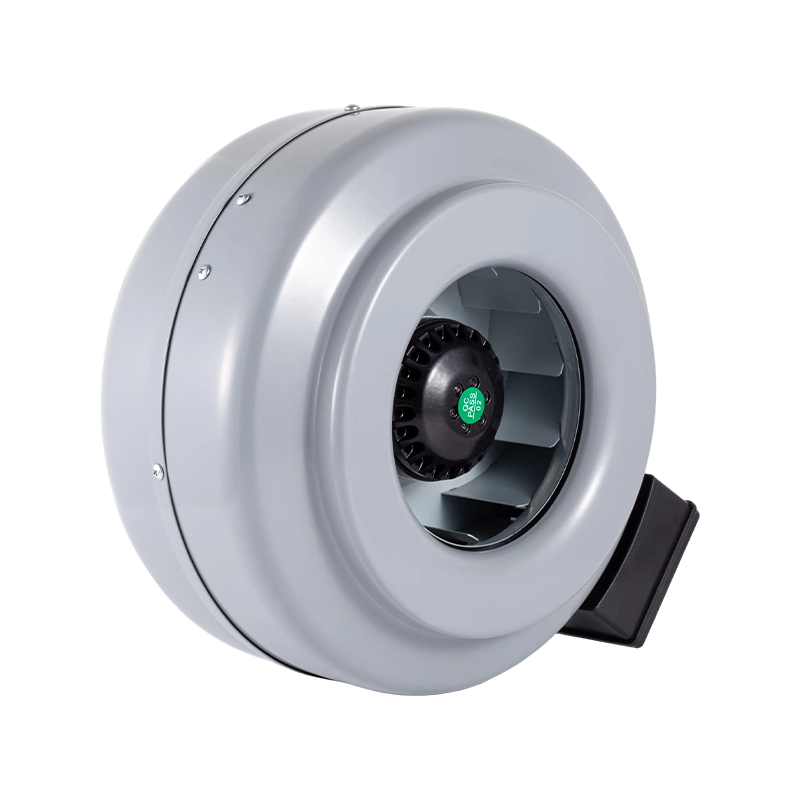
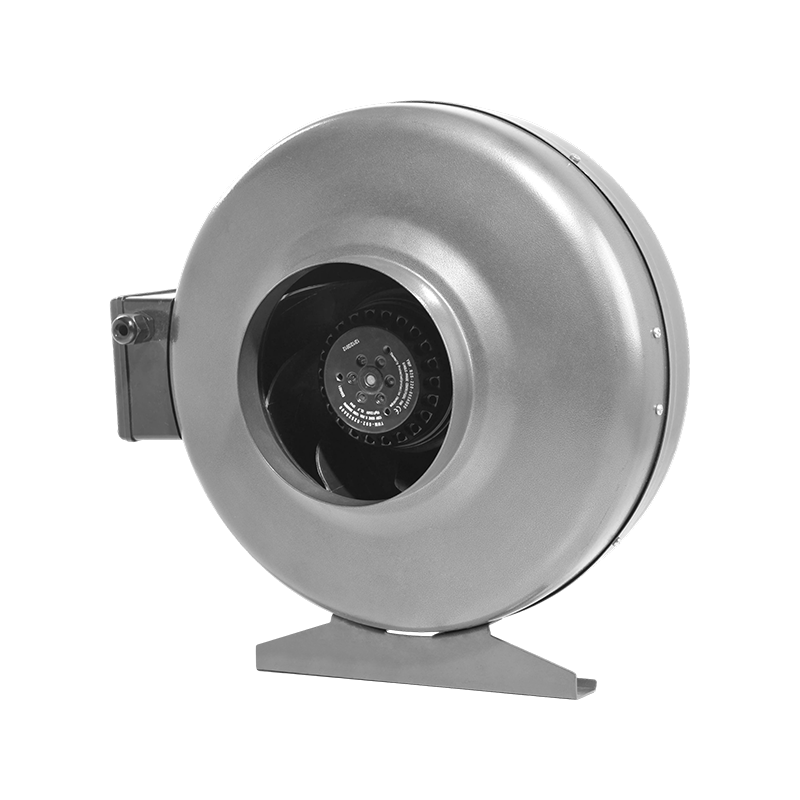
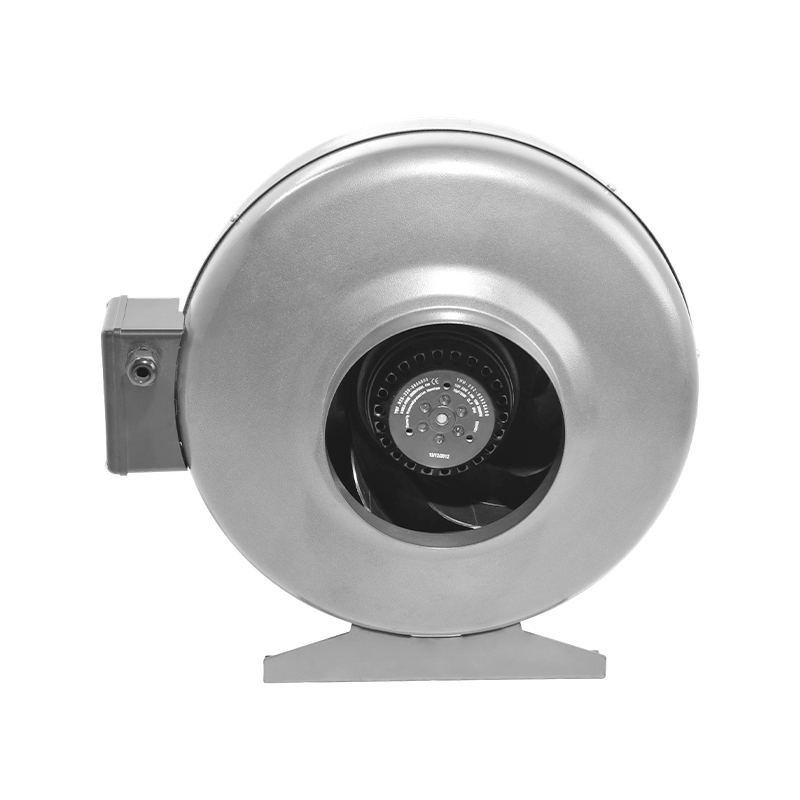
Centrifugal Fan Series
- Impeller diameters: 100mm to 1000mm
- Drive: direct, belt, or EC motor
- Housing: galvanized steel, powder-coated, stainless
- Wheel types: forward-curved, backward-curved, airfoil
- Airflow: up to 40,000 CFM
- Static pressure: up to 10 in. wg
Custom Engineering Capabilities
We understand that off-the-shelf fans rarely fit perfectly. Our factory offers custom modifications: blade pitch adjustment, special coatings for corrosive environments, extended shafts, and integrated sensors. We also provide prototyping and CFD analysis to validate performance before production.
| Customization Option | Available Range |
| Operating temperature | -40°C to +120°C |
| Ingress protection | IP54, IP55, IP67, IP68 |
| Motor type | AC induction, EC brushless, DC brushless |
| Speed control | PWM, 0-10V, Modbus, potentiometer |
| Noise reduction | Skewed blades, serrated trailing edges, acoustic lining |
Application Case Studies
Data Center Cooling
A European data center required high-density server rack cooling. We supplied 172mm axial fans with PWM control and tach feedback, delivering 350 CFM per fan at 42 dB(A). The fans operate in a hot-aisle containment system with low resistance. Result: 22% lower energy consumption compared to previous centrifugal blowers.
Industrial Dust Collection
A woodworking facility needed to capture sawdust from 12 machines. We provided a backward-curved centrifugal fan with 15 in. wg static pressure and 8,000 CFM. The system includes cyclone separators and long duct runs. The fan’s abrasion-resistant impeller has operated for 18 months without maintenance.
Greenhouse Ventilation
A commercial greenhouse used 50-inch propeller axial fans for summer cooling. Each fan moves 25,000 CFM at 0.1 in. wg. The low-speed operation keeps noise below 55 dB(A), protecting plant growth and worker comfort. The fans are controlled by thermostats and humidistats.
Performance Curves and Selection Charts
The following simplified curves illustrate the trade-off between flow and pressure. Axial fans maintain high flow until resistance rises, then flow drops sharply. Centrifugal fans provide more stable pressure across a wider flow range.
For precise selection, request a fan performance curve from our engineering team. We provide curves for every model, including system resistance lines and operating points.
Installation and Maintenance Best Practices
Proper installation extends fan life and maintains performance. Follow these guidelines:
- Ensure smooth airflow at inlet and outlet. Avoid elbows or obstructions within 2–3 fan diameters.
- Mount fans on vibration isolators to reduce noise and structural fatigue.
- For belt-driven centrifugal fans, check belt tension monthly and align pulleys.
- Clean blades and impellers regularly to prevent imbalance. Dust buildup is a common cause of vibration.
- Lubricate bearings according to schedule. Sealed bearings require no maintenance.
- Monitor motor current. A sudden increase may indicate blockage or bearing wear.
Frequently Asked Questions
Can I use an axial fan in a ducted system?
Yes, but only if system resistance is low. Tubeaxial or vaneaxial fans are better suited for ducts. Standard propeller fans lose significant flow in ducts.
Which fan type is more energy efficient?
It depends on the operating point. Axial fans are more efficient at low pressure. Centrifugal fans are more efficient at high pressure. EC motors improve efficiency for both.
How do I reduce axial fan noise?
Lower the speed, increase the diameter, use vibration isolation, and add acoustic silencers. Blade skew also helps.
What is the maximum temperature for standard fans?
Standard fans handle up to 60°C. High-temperature versions with special bearings and insulation can reach 120°C or more.
Do centrifugal fans require more maintenance?
Belt-driven centrifugal fans need belt and bearing maintenance. Direct-drive axial fans typically require less. Both need cleaning.
Can axial fans produce high static pressure?
Vaneaxial fans can produce up to 5 in. wg. Beyond that, centrifugal fans are more practical.
Understanding the Difference Between Axial and Radial Fans in Practice
In real-world installations, the terms are often confused. A radial fan is simply a centrifugal fan—air exits radially. An axial fan moves air axially. The confusion arises because some radial fans have axial inlets. Always clarify the discharge direction when specifying. If you need a 90-degree turn in airflow, a centrifugal fan is the natural choice. If you need straight-through flow, axial is preferred.
Similarly, the question what is the difference between an axial fan and a ventilation fan often appears in procurement. Ventilation fan is a category, not a mechanism. An axial fan can be a ventilation fan, but so can a centrifugal fan. The key is to match the fan type to the system resistance and desired airflow pattern.
Advanced Topics: Blade Design and Aerodynamics
Axial fan performance is heavily influenced by blade geometry. Parameters include chord length, camber, twist, and solidity. A well-designed blade maintains attached flow over a wide range of angles of attack. Stall occurs when the angle becomes too high, causing sudden loss of lift and pressure. Modern designs use computational fluid dynamics (CFD) to optimize blade profiles for specific operating ranges.
Centrifugal fan impellers come in three main types: forward-curved, backward-curved, and airfoil. Forward-curved wheels produce high pressure at low speed but are less efficient. Backward-curved wheels are more efficient and self-cleaning. Airfoil wheels offer the highest efficiency for clean air applications. Our factory produces all three types based on customer requirements.
Materials and Coatings for Harsh Environments
Fans operating in corrosive, abrasive, or high-humidity environments require special materials. We offer:
- Stainless steel 304/316 for chemical plants and marine applications.
- Epoxy powder coating for mild corrosive atmospheres.
- Fiberglass reinforced plastic (FRP) for severe corrosion.
- Hardened steel or ceramic liners for abrasive dust.
- Explosion-proof motors and spark-resistant construction for ATEX zones.
These options ensure reliable operation and extended service life, reducing total cost of ownership.
Testing and Quality Assurance
Every fan we manufacture undergoes a series of tests before shipment. These include:
- Airflow and pressure testing per AMCA or ISO standards.
- Noise level measurement in a semi-anechoic chamber.
- Vibration analysis to ensure balance quality grade G6.3 or better.
- Dielectric strength and insulation resistance tests for electrical safety.
- Endurance run for 2 hours at maximum speed to detect early failures.
Test reports are available for customer review. We also welcome third-party inspections.
How to Request a Quote or Technical Consultation
If you have a specific airflow challenge, our engineers can recommend the optimal fan type, size, and motor. Provide the following information for a rapid response:
- Required airflow (CFM or m³/h)
- System resistance (in. wg or Pa)
- Available space and mounting orientation
- Power supply (voltage, phase, frequency)
- Ambient temperature and environmental conditions
- Noise limit (dB(A) at a given distance)
- Any special certifications required
Our team will respond with a detailed proposal including performance curves, dimensions, and lead time. We support custom designs and small-batch production.
Exploring the Full Range of Air Movement Solutions
Beyond standard axial and centrifugal fans, we also produce mixed-flow fans, cross-flow fans, and custom blower assemblies. Mixed-flow fans combine axial and centrifugal characteristics, offering moderate pressure and high flow in a compact package. Cross-flow fans provide wide, uniform air curtains for applications like hand dryers and display cases.
Our commitment is to deliver reliable, efficient, and quiet air movement products. With in-house tooling, winding, and assembly, we control quality at every stage. Whether you need a single prototype or a full production run, we are ready to support your project.
For more information, browse our product pages or contact our technical sales team. We look forward to helping you solve your airflow challenges with the right fan technology.
NEXT:Classification and performance of cooling fans
Interested in cooperation or have questions?
-

sale3@beron-motor.com
-
 +86-15906637529
 -
 Building 1 (12#), No. 619, Wangmei Road, Linping Street, Yuhang District, Hangzhou, China
 Wholesale Industrial Fan Manufacturers