
 English
  русский
  Español
  عربى
عربى 

Product Category
News Categories
Contact Us
Classification and performance of cooling fans
1. Mixed-flow fan:
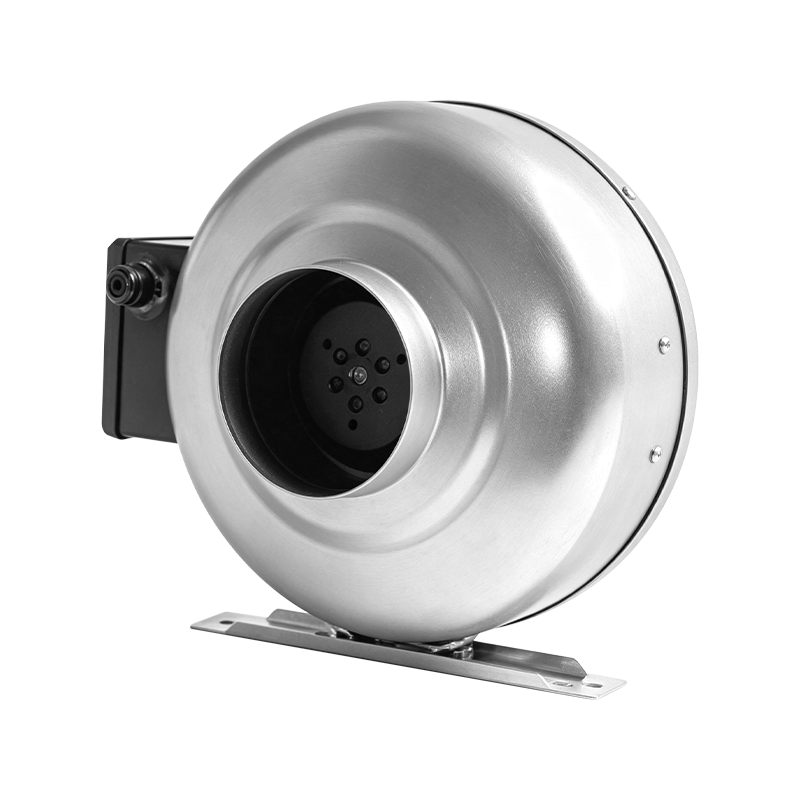
Mixed-flow fans, also known as diagonal-flow fans, may appear similar to axial fans at first glance. However, the key difference is that mixed-flow fans have air intake along the axial direction, while exhaust occurs diagonally along both the axial and perpendicular axes.
Performance: Due to the conical blades and casing, mixed-flow fans achieve higher air pressure. For the same size and comparable performance, centrifugal fans are quieter than axial fans, thus offering higher flow rates and relatively higher air pressure.
2. DC cooling fan:
DC cooling fans convert electrical energy into mechanical energy through DC voltage and electromagnetic induction, driving the fan blades. The technology and performance of DC cooling fans have reached a mature stage, with new technologies constantly emerging. Currently, DC cooling fans are widely used in industries such as computers, communication products, medical equipment, heaters, air conditioners, inverters, ATMs, welding machines, audio equipment, environmental protection equipment, and refrigeration equipment.
Performance: Characterized by strong operational stability, excellent heat dissipation, and long service life.
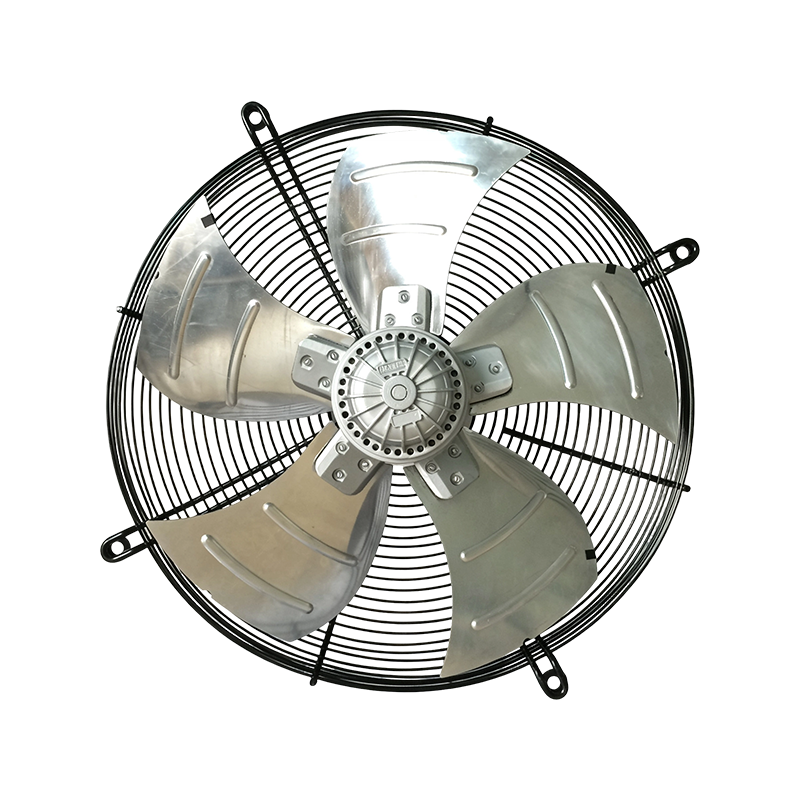
3. Axial Flow Fan:
An axial flow fan's blades propel air in the same direction as the axis. The impeller of an axial flow fan is somewhat similar to a propeller; during operation, most of the airflow is parallel to the axis, in other words, along the axial direction. An axial flow fan consumes the least power when the inlet airflow is free air with zero static pressure. Power consumption increases as the back pressure of the airflow rises during operation, so it is usually mounted in the cabinet of electrical equipment and sometimes integrated into the motor.
Performance: Characterized by high flow rate and medium air pressure, axial flow fans are widely used due to their compact structure, space-saving design, and ease of installation.
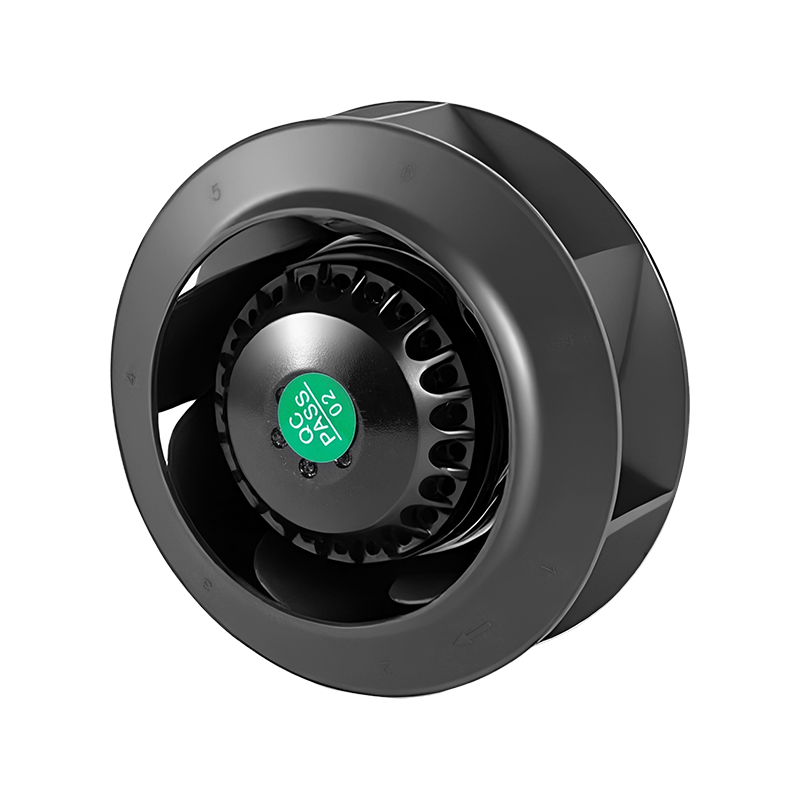
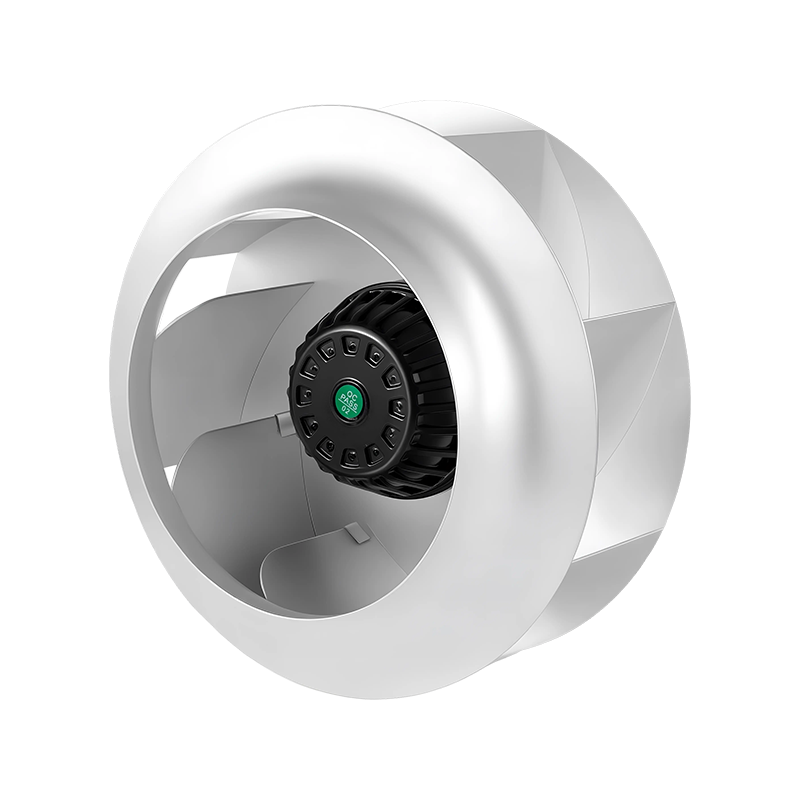
4. Centrifugal Fan:
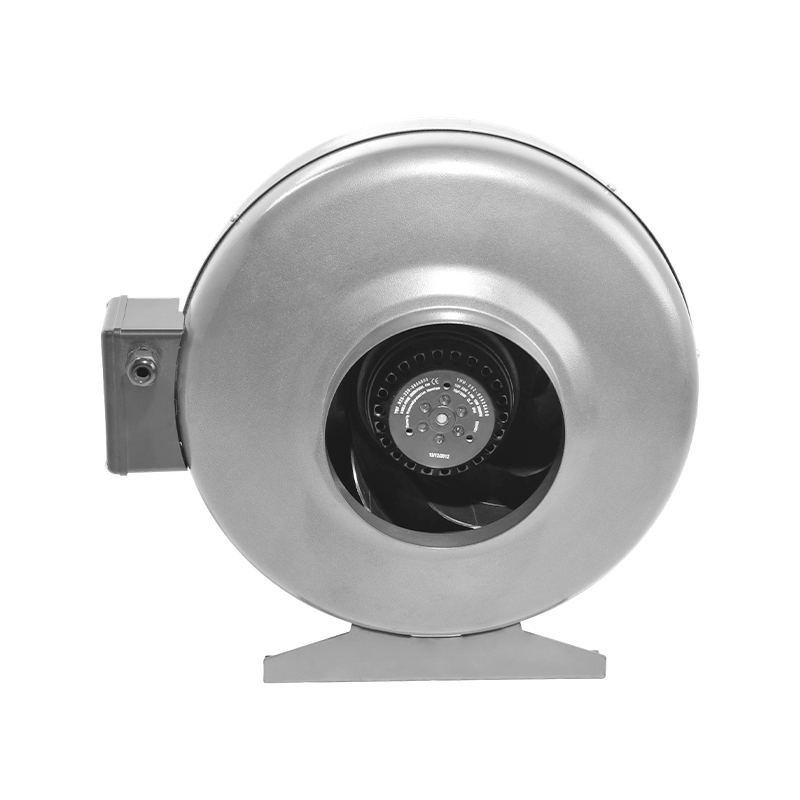
When a centrifugal fan operates, the blades propel air in a direction perpendicular to the axis (i.e., radially). The inlet airflow is along the axial direction, while the outlet airflow is perpendicular to the axial direction. In most cases, an axial flow fan is sufficient for cooling; however, sometimes a centrifugal fan must be selected when a 90-degree rotation of the airflow is required or when higher air pressure is needed. Strictly speaking, a blower is also a type of centrifugal fan.
NEXT:Strength performance of fan blades in industrial applications
Interested in cooperation or have questions?
-

sale3@beron-motor.com
-
 +86-15906637529
 -
 Building 1 (12#), No. 619, Wangmei Road, Linping Street, Yuhang District, Hangzhou, China
 Wholesale Industrial Fan Manufacturers